Chakravyuh Analytics
Reference

The Indian political landscape.

Who governs where, what comes next, and the history that shaped the present.

06.1

Seven decades, in eight beats.

From single-party dominance to coalition arithmetic and back. Scroll through.

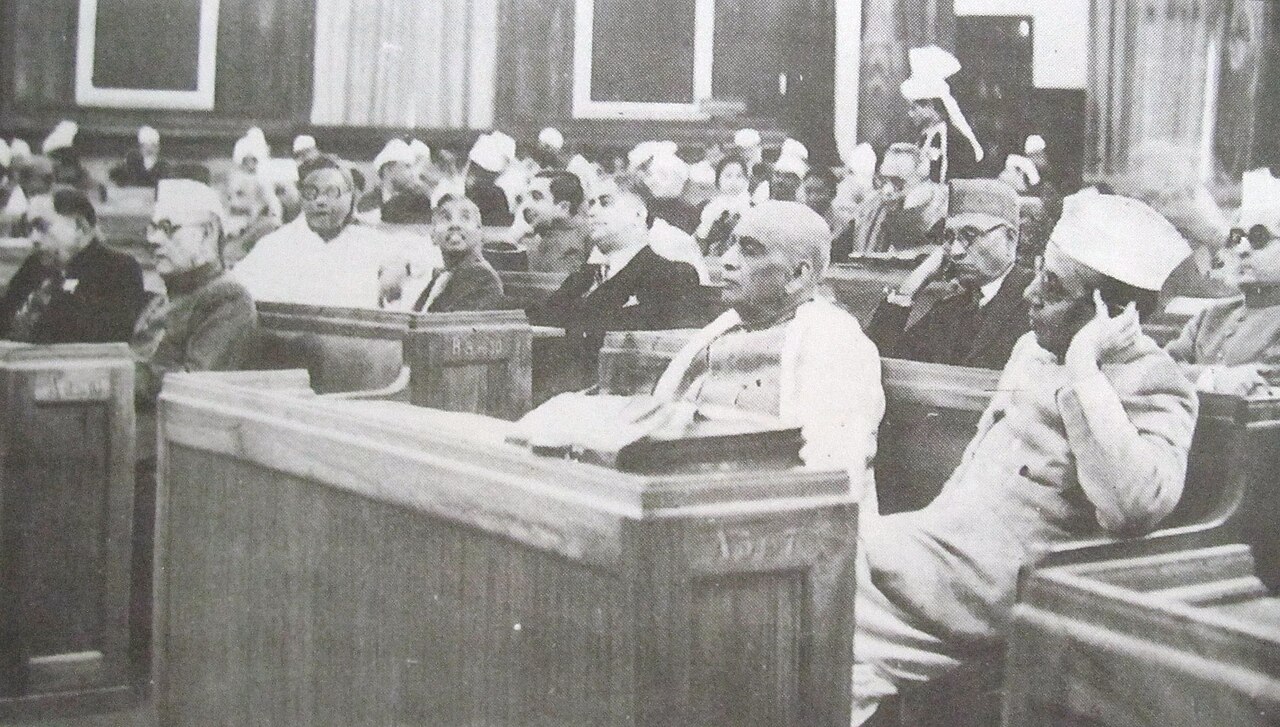
1950

Republic of India

Constitution adopted on the 26th of January. Universal adult franchise from the very first day. At the time, the largest enfranchisement of voters in human history.

Constituent Assembly of India
1952

The first general election

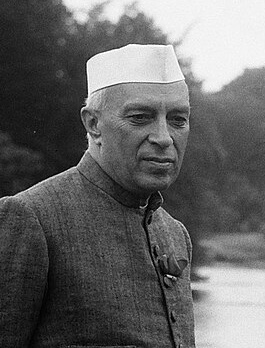
Congress wins 364 of 489 Lok Sabha seats. The Congress System begins: one-party dominance at the Centre and across most states, lasting two and a half decades.

Jawaharlal Nehru
1977

The end of one-party dominance

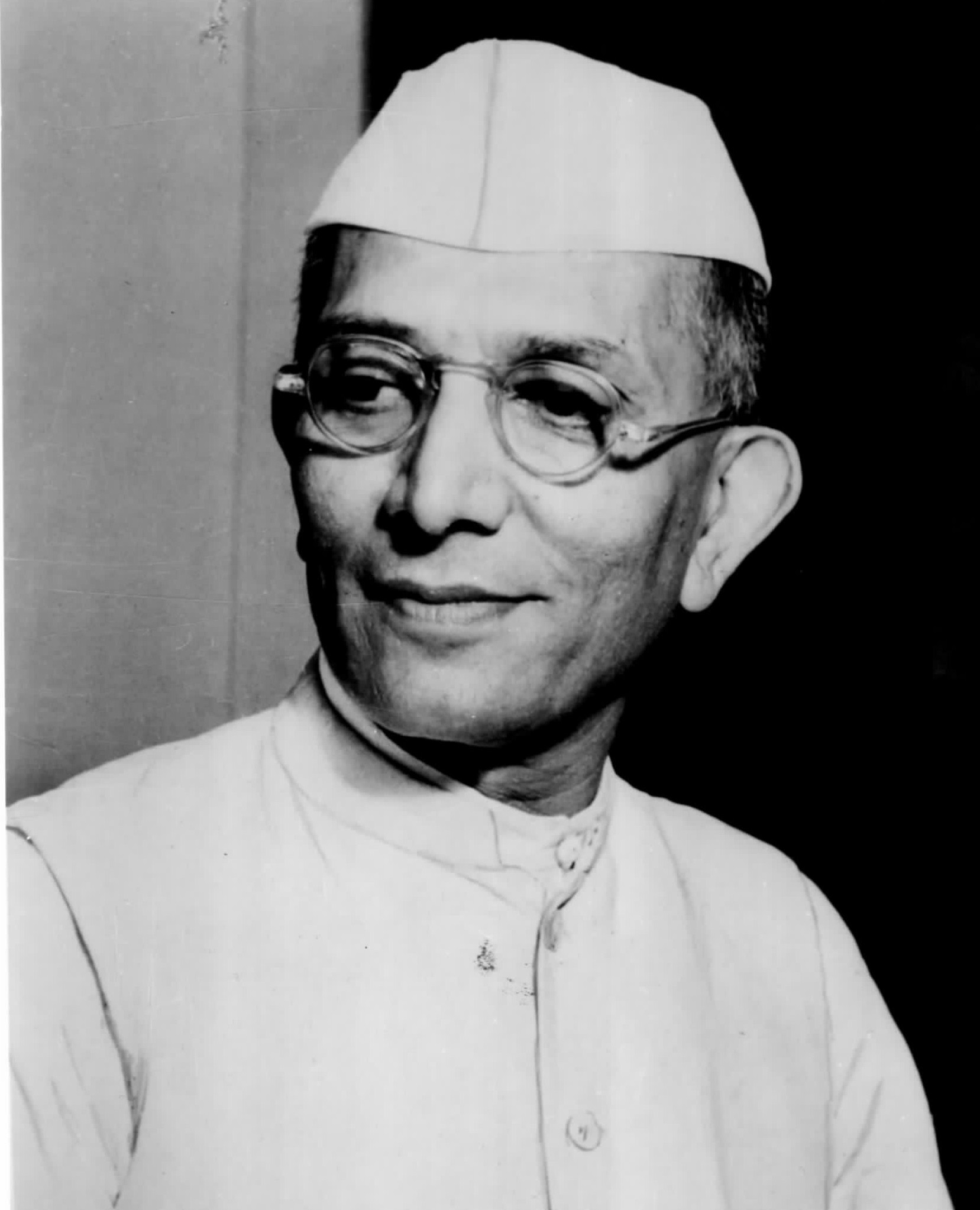
After the Emergency, the Janata Party defeats the Congress. The first non-Congress government takes office at the Centre. The single-party era closes.

Prime Minister Morarji Desai
1989

Coalition era begins

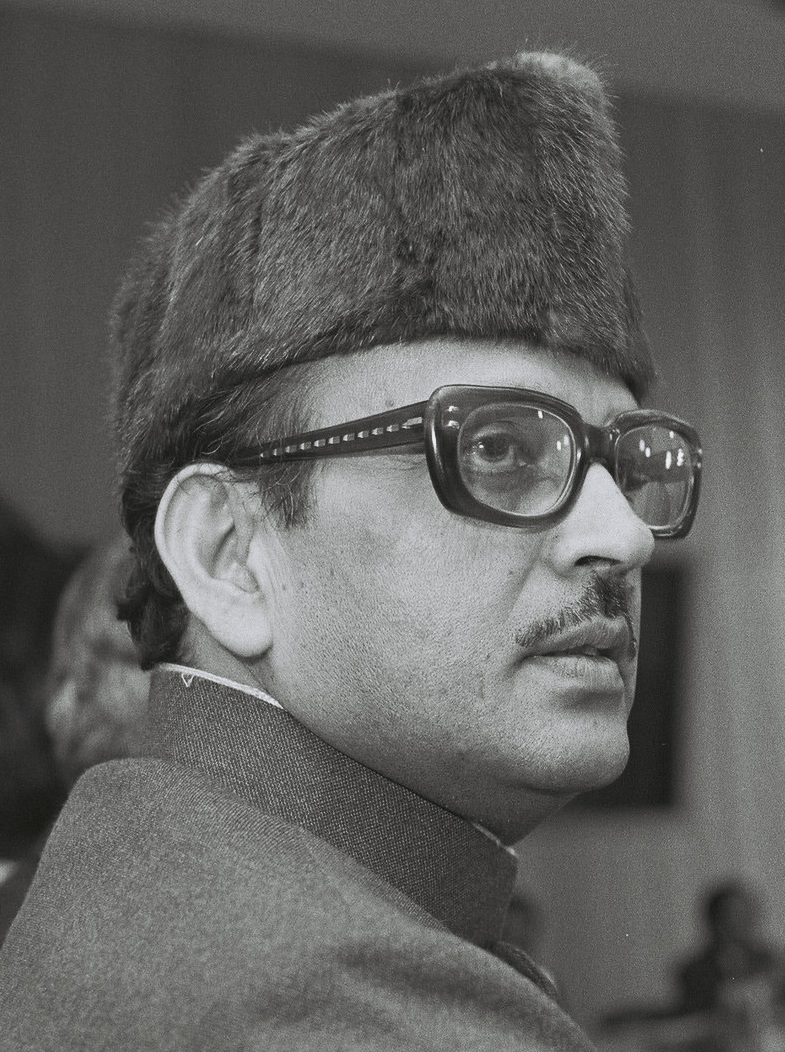
V. P. Singh's National Front forms the government. No single party can rule the Centre alone any more. Regional parties become permanent power-brokers.

Vishwanath Pratap Singh
1998

NDA wins

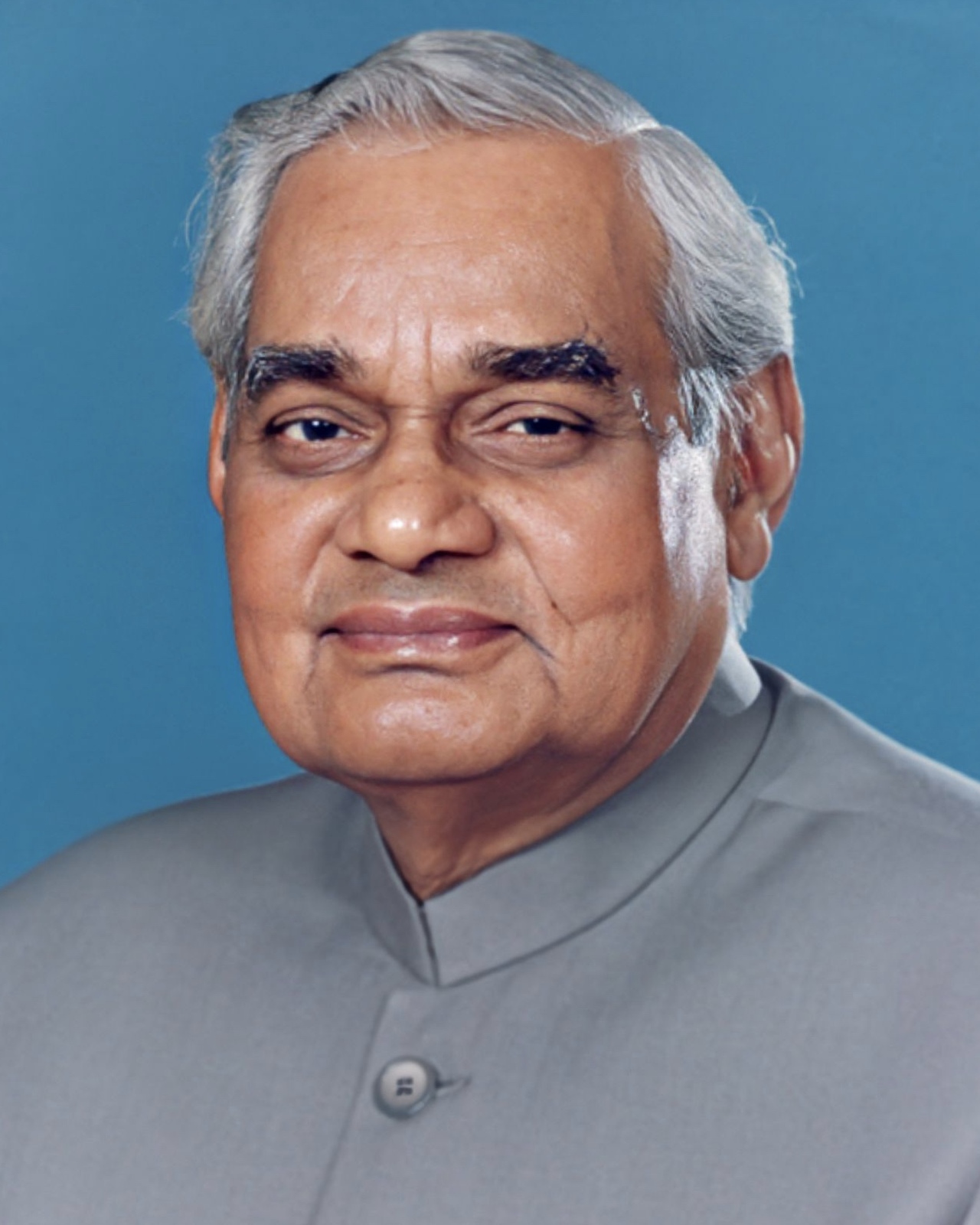
The BJP-led National Democratic Alliance forms government under Atal Bihari Vajpayee. Coalition politics is now the structure of national power, not a transitional phase.

Atal Bihari Vajpayee
2004

UPA government

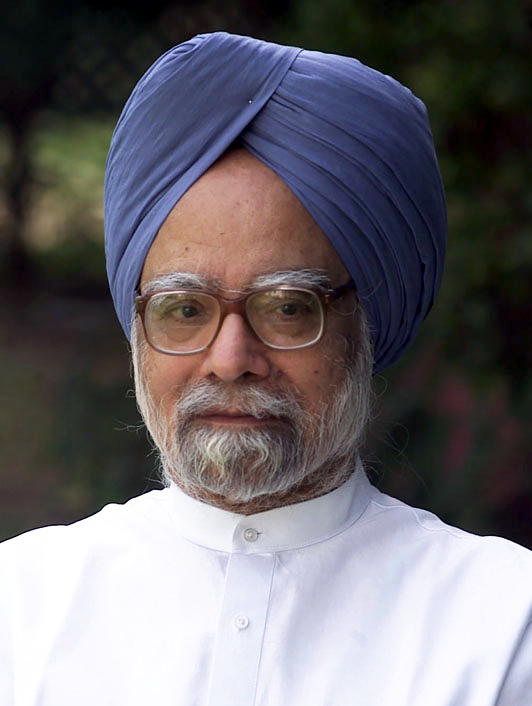
The Congress-led United Progressive Alliance returns to power under Manmohan Singh. Ten years in office across two terms, the long counterweight to a rising BJP.

Prime Minister Manmohan Singh
2014

BJP majority

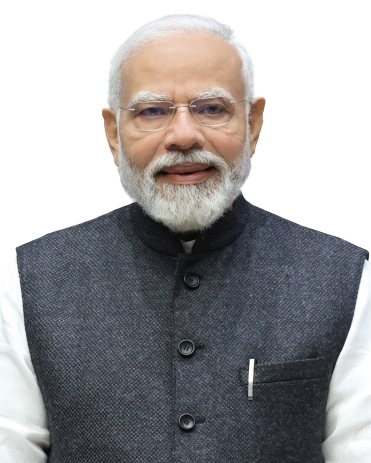
The BJP under Narendra Modi wins an outright majority, the first single-party majority since 1984. Returned in 2019 with a larger mandate. The coalition era pauses.

Prime Minister Narendra Modi
2024

Coalition arithmetic returns

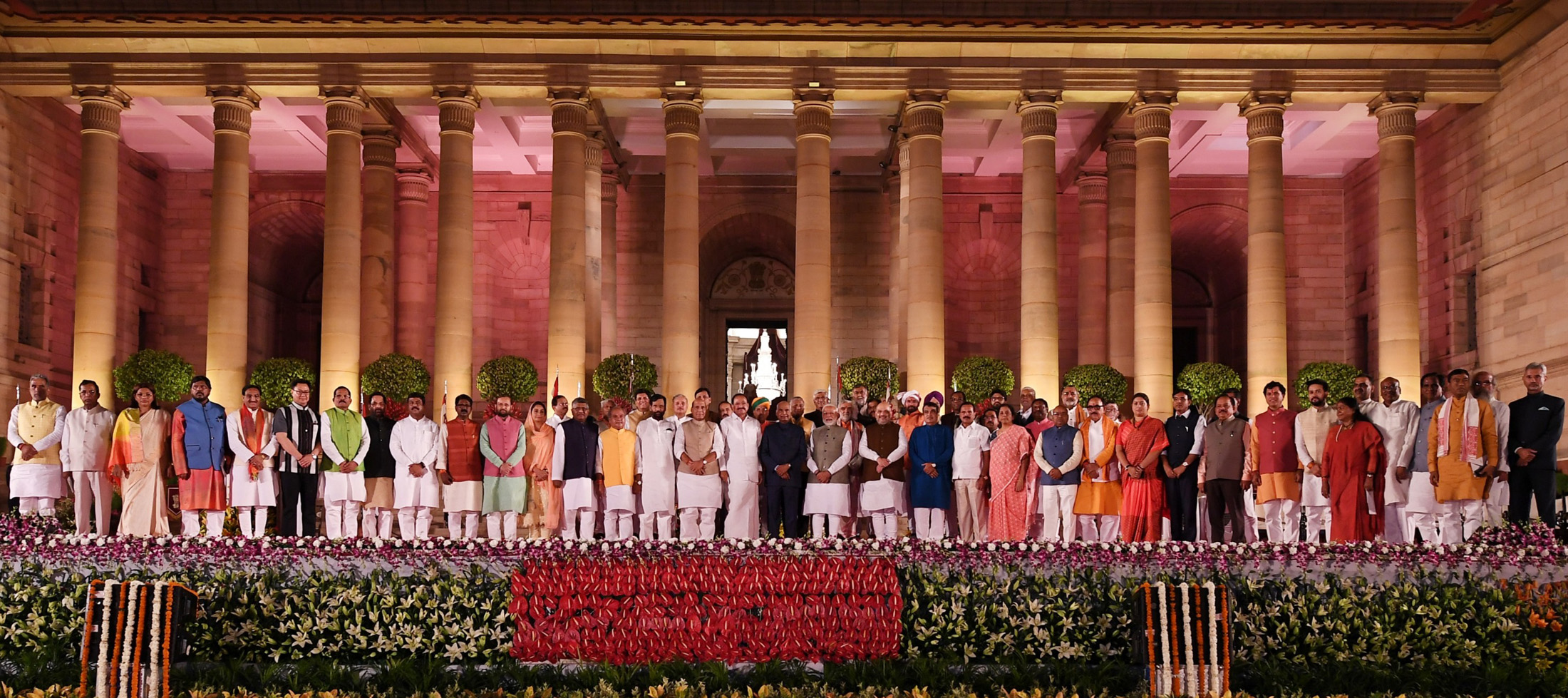
The NDA retains government (Modi 3.0), but the BJP loses its single-party majority. The opposition reorganises as the INDIA bloc. Coalition arithmetic is back at the Centre.

Council of Ministers, 2024
  1. 1950
  2. 1952
  3. 1977
  4. 1989
  5. 1998
  6. 2004
  7. 2014
  8. 2024
  1. 1950 · Republic of India. Constitution adopted on the 26th of January. Universal adult franchise from the very first day. At the time, the largest enfranchisement of voters in human history.
  2. 1952 · The first general election. Congress wins 364 of 489 Lok Sabha seats. The Congress System begins: one-party dominance at the Centre and across most states, lasting two and a half decades.
  3. 1977 · The end of one-party dominance. After the Emergency, the Janata Party defeats the Congress. The first non-Congress government takes office at the Centre. The single-party era closes.
  4. 1989 · Coalition era begins. V. P. Singh's National Front forms the government. No single party can rule the Centre alone any more. Regional parties become permanent power-brokers.
  5. 1998 · NDA wins. The BJP-led National Democratic Alliance forms government under Atal Bihari Vajpayee. Coalition politics is now the structure of national power, not a transitional phase.
  6. 2004 · UPA government. The Congress-led United Progressive Alliance returns to power under Manmohan Singh. Ten years in office across two terms, the long counterweight to a rising BJP.
  7. 2014 · BJP majority. The BJP under Narendra Modi wins an outright majority, the first single-party majority since 1984. Returned in 2019 with a larger mandate. The coalition era pauses.
  8. 2024 · Coalition arithmetic returns. The NDA retains government (Modi 3.0), but the BJP loses its single-party majority. The opposition reorganises as the INDIA bloc. Coalition arithmetic is back at the Centre.
06.2

State of the Union.

Who governs where. 28 states, 8 union territories, the Centre. Coloured by alliance, not endorsement.

Mizoram · ZPM (Lalduhoma) Tamil Nadu · TVK (C.J. Vijay, 107/234, single largest) Madhya Pradesh · BJP (M. Yadav) Maharashtra · Mahayuti (D. Fadnavis) Chhattisgarh · BJP (V.D. Sai) Gujarat · BJP (B. Patel) Odisha · BJP (M.C. Majhi) Andhra Pradesh · TDP (C. Naidu) Goa · BJP (P. Sawant) Kerala · UDF / INC (101/140 seats) Telangana · INC (R. Reddy) West Bengal · BJP (S. Adhikari, 207/294 seats) D&NH + D&D (UT) · Centre-administered Puducherry (UT) · AINRC + BJP (N. Rangasamy) Lakshadweep (UT) · Centre-administered Arunachal Pradesh · BJP (P. Khandu) Assam · BJP (H.B. Sarma) Nagaland · NDPP + BJP (N. Rio) Meghalaya · NPP (C. Sangma) Manipur · President's Rule Tripura · BJP (M. Saha) A&N Islands (UT) · Centre-administered Uttar Pradesh · BJP (Y. Adityanath) Rajasthan · BJP (B.L. Sharma) Delhi (UT) · BJP (R. Gupta) Haryana · BJP (N. Saini) Sikkim · SKM (P. Tamang) Bihar · JD(U) + BJP (N. Kumar) Jharkhand · JMM (H. Soren) Ladakh (UT) · Centre-administered Jammu & Kashmir (UT) · NC + INC (O. Abdullah) Himachal Pradesh · INC (S. Sukhu) Punjab · AAP (B. Mann) Uttarakhand · BJP (P. Dhami) Chandigarh (UT) · Centre-administered Karnataka · INC (Siddaramaiah)
NDA-aligned INDIA-aligned Other / unaligned Centre-administered

Colour and letter indicate alliance, not endorsement. Hover or tap any state for the ruling party and Chief Minister.

Union Government · 2024 mandate

NDA · Modi 3.0

Prime MinisterNarendra Modi
Lead partyBJP (240 seats)
Sworn in9 June 2024
17th Lok Sabha543 seats total
NDA · 293INDIA · 234Other · 16
Next general electionBy May 2029
06.3

Who is on the ballot.

ECI-recognised parties: national, state, and the long tail of registered-unrecognised.

  1. 6

    National parties

    Recognised by the Election Commission of India across multiple states per the recognition thresholds.

    • BJP
    • INC
    • BSP
    • CPI(M)
    • AAP
    • NPP
  2. 57

    State parties

    Recognised in one or more state legislatures. Regional powerhouses with the bulk of state-level mandates.

    • DMK
    • TMC
    • BJD
    • TDP
    • YSRCP
    • SP
    • RJD
    • JMM
    • BRS
    • JD(U)
    • JD(S)
    • AIADMK
    • NCP
    • NCP-SP
    • Shiv Sena
    • Shiv Sena (UBT)
    • AIMIM
    • SAD
    • SKM
    • JKNC
    • AGP
    • NPF
    • ZPM
    • MNF
    • and 33 more
  3. 2,800+

    Registered unrecognised

    Below the recognition thresholds. The long tail of organised political activity in India sits here.
Recognised national 6 symbols
  • BJP symbol BJP
  • INC symbol INC
  • BSP symbol BSP
  • CPI(M) symbol CPI(M)
  • AAP symbol AAP
  • NPP symbol NPP
Major state powerhouses 24 of 57 shown
  • DMK symbol DMK
  • TMC symbol TMC
  • BJD symbol BJD
  • TDP symbol TDP
  • YSRCP symbol YSRCP
  • SP symbol SP
  • RJD symbol RJD
  • JMM symbol JMM
  • BRS symbol BRS
  • JD(U) symbol JD(U)
  • JD(S) symbol JD(S)
  • AIADMK symbol AIADMK
  • NCP symbol NCP
  • NCP-SP symbol NCP-SP
  • Shiv Sena symbol Shiv Sena
  • SHS (UBT) symbol SHS (UBT)
  • AIMIM symbol AIMIM
  • SAD symbol SAD
  • SKM symbol SKM
  • JKNC symbol JKNC
  • AGP symbol AGP
  • NPF symbol NPF
  • ZPM symbol ZPM
  • MNF symbol MNF
06.4

What's on the calendar.

State assemblies and the General, in chronological order from today.

21 elections scheduled 3 years of forward visibility 1 Lok Sabha cycle
  1. 2027 7 cycles · 5 state assemblies in Feb-Mar window, 2 in December
    1. Feb–Mar 2027
      • Punjab 117 assembly seats
      • Uttar Pradesh 403 assembly seats
      • Uttarakhand 70 assembly seats
      • Goa 40 assembly seats
      • Manipur 60 assembly seats
    2. Dec 2027
      • Gujarat 182 assembly seats
      • Himachal Pradesh 68 assembly seats
  2. 2028 8 cycles · Northeast triple in Feb, Karnataka in May, four-state cluster in Nov–Dec
    1. Feb 2028
      • Tripura 60 assembly seats
      • Meghalaya 60 assembly seats
      • Nagaland 60 assembly seats
    2. May 2028
      • Karnataka 224 assembly seats
    3. Nov 2028
      • Mizoram 40 assembly seats
    4. Nov–Dec 2028
      • Chhattisgarh 90 assembly seats
      • Madhya Pradesh 230 assembly seats
      • Telangana 119 assembly seats
    5. Dec 2028
      • Rajasthan 200 assembly seats
  3. 2029 The General + 4 state cycles concurrent with the Lok Sabha vote
    1. Apr–May 2029
      • Lok Sabha (General)General 543 parliamentary seats 18th Lok Sabha term ends
      • Andhra Pradesh 175 assembly seats Concurrent with the General
      • Odisha 147 assembly seats Concurrent with the General
      • Sikkim 32 assembly seats Concurrent with the General
      • Arunachal Pradesh 60 assembly seats Concurrent with the General
Last updated 2026-05-17 Sources: Election Commission of India, state Chief Electoral Officers, and PRS Legislative Research. Party-symbol artwork and India administrative map sourced from Wikimedia Commons. Map reflects governments in office after the 4 May 2026 declaration.